The Man on the Wrong Platform
Fourteen hours over land. Four trains. Lugano, Zurich, Paris, London, Suffolk. A journey that earns every mile.
Lugano, Zurich, Paris, London, Suffolk
South-east England. A country house between two rivers and the sea.
By every conceivable route I have pilgrimaged here in my lifetime: as a child with my parents and my little brother, at night on the Trans Europa Express from Munich to Hoek van Holland and from there by ship to Harwich. Later by aeroplane from Zurich or Milan to London Stansted, and from there by coach to Ipswich. Later still by one's own (rented!) aeroplane from Locarno to Wattisham, where there is an almost invisible grass strip amidst vast fields, which one must overfly three times before the approach to establish position, alignment and condition. And at every new arrival my great friend Usch, with her husband William, has collected me, greeted me and taken me into her arms.
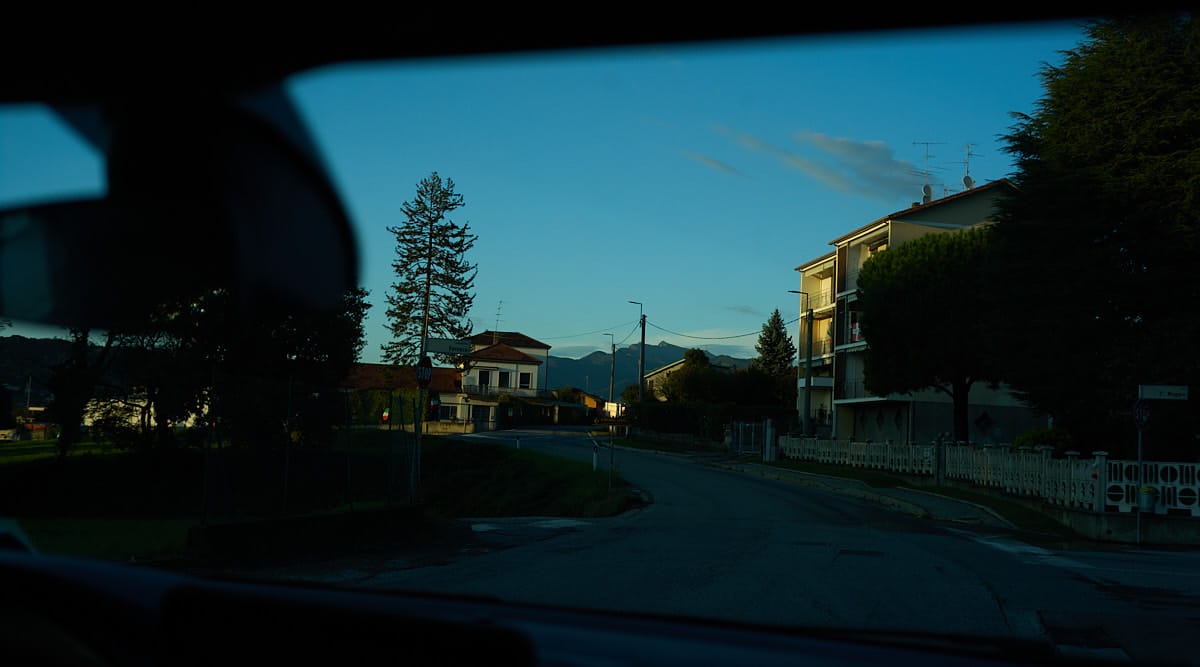
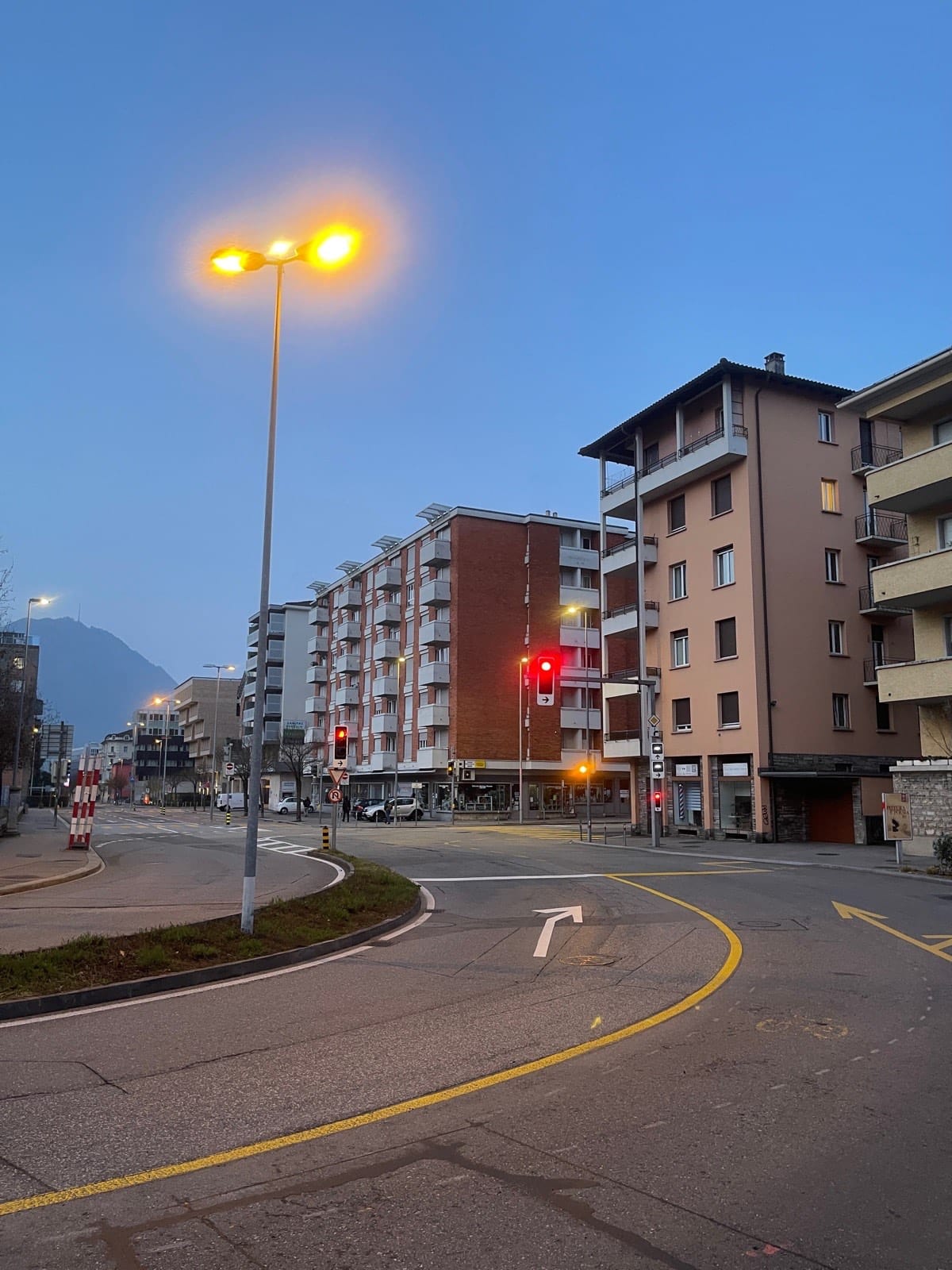
Yesterday morning, Saturday 7 March 2026, 6:40, Lugano. Light is slowly rising. The bus comes punctually, not ten minutes later I am at the station, at 08:02 the Intercity departs for Zurich, and the whole day's becoming is undone by the almost unbelievable Gotthard Base Tunnel. Shortly after Bellinzona the mountain massif sucks the train into its nearly sixty-kilometre tube, only to spit us out twenty minutes later on the shores of the Lake of Lucerne.
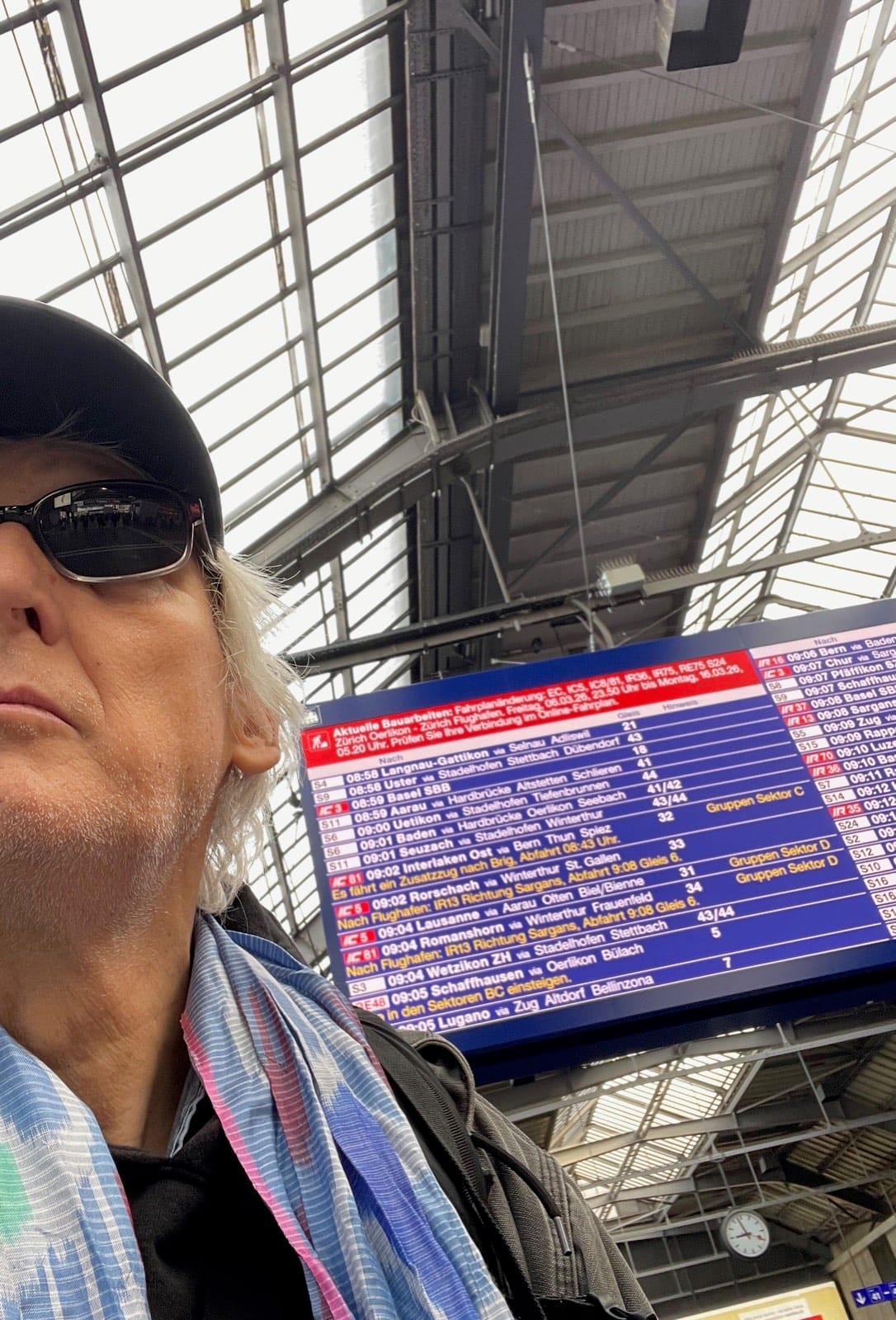
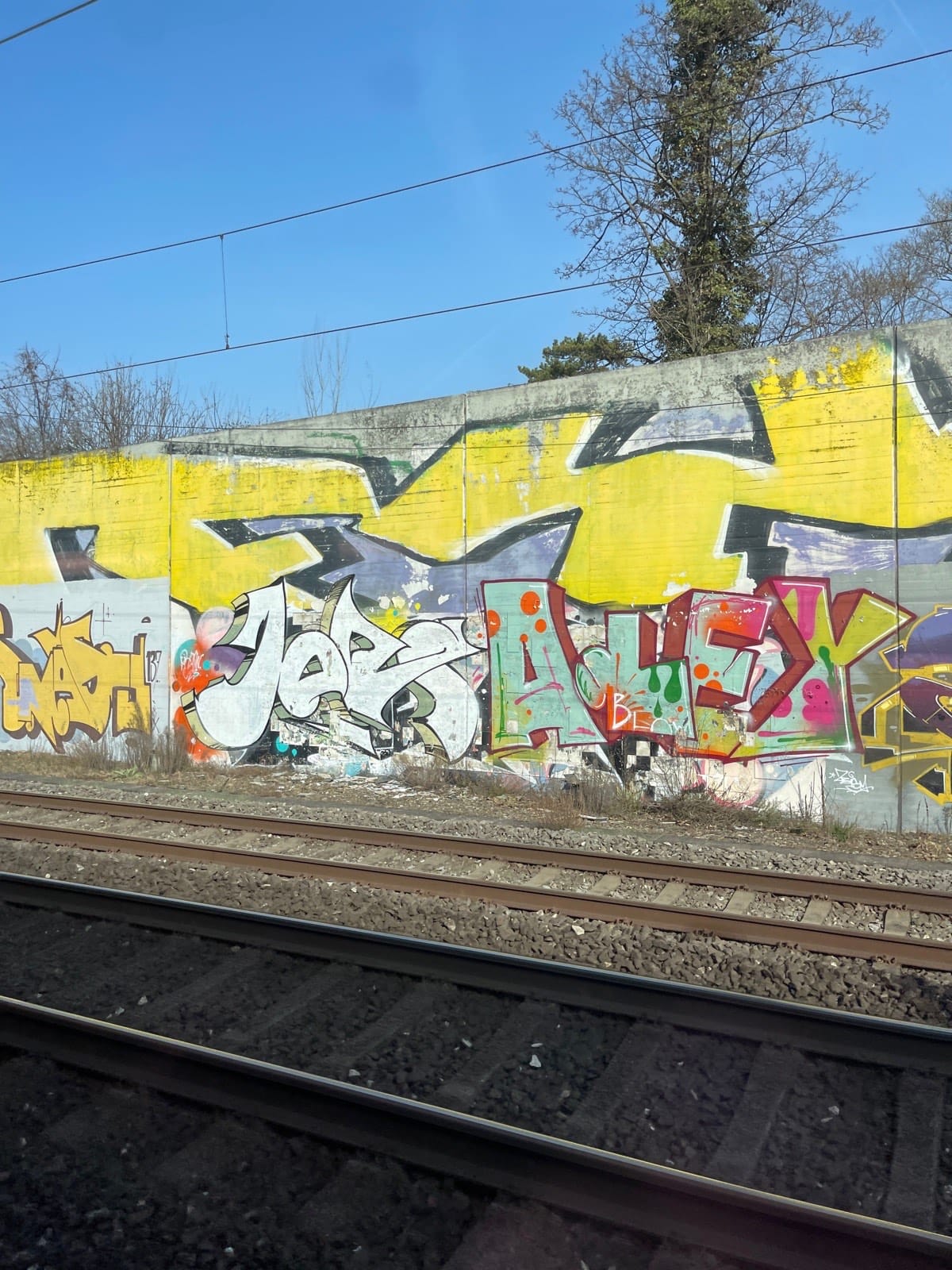
Zurich shortly after nine, a coffee in a paper cup for 4.70, the TGV to Paris is already waiting. The carriages fill, but fortunately the seats in first class are wide enough that room remains for the long legs and for the many thoughts which, with the trembling of the train, spin themselves ever tighter into a dark cocoon that finally somewhere beyond Dijon presses your eyes shut and lets the pen drop from your hand.
Shortly before arrival I start awake. The critical moment of the journey is approaching: half an hour is all I have in Paris to get from the Gare de Lyon to the Gare du Nord, the departure station of the Eurostar.
Line D of the RER trains, two stops, it cannot be that difficult. In the Parisian underground I put my reading glasses on and off and check line colours and terminal stations, to escape my eternal nightmare of sitting in the right train but travelling in the wrong direction. I must have made a bewildered impression, at any rate a kindly elderly gentleman addresses me, asks my destination, and offers to accompany me to the platform. Gladly I accept. We ride on endless escalators downward, ever further in the direction of the earth's centre, exchange a few words, from where, to where, what for, and then at the platform he instructs me to sit on a bench and in seven minutes to board the train that will bring me in six minutes to the Gare du Nord. And takes his leave.
Briefly my tiredness seizes me, but I pull myself together. The indicator flashes up: Melun. I fumble my reading glasses from my bag and hasten to the nearest map, find at last the green D-line and indeed. Back to the escalator, at a run back to the surface, at the top the signs and boards scanned in a flash and on the other side down again, direction Creil, yes, Creil is right, right, right.
He does not seem to see me, or he does not recognise me, or he is a master. He looks through me as though I were window glass. But I am certain that the gentleman sitting opposite me is the same man who a quarter of an hour ago set me on the bench at the wrong platform. He stands up and alights, only now do I start from my stupefaction or my fright and hurl myself, the door is already closing with a loud blare, out of the nightmare. Gare du Nord.
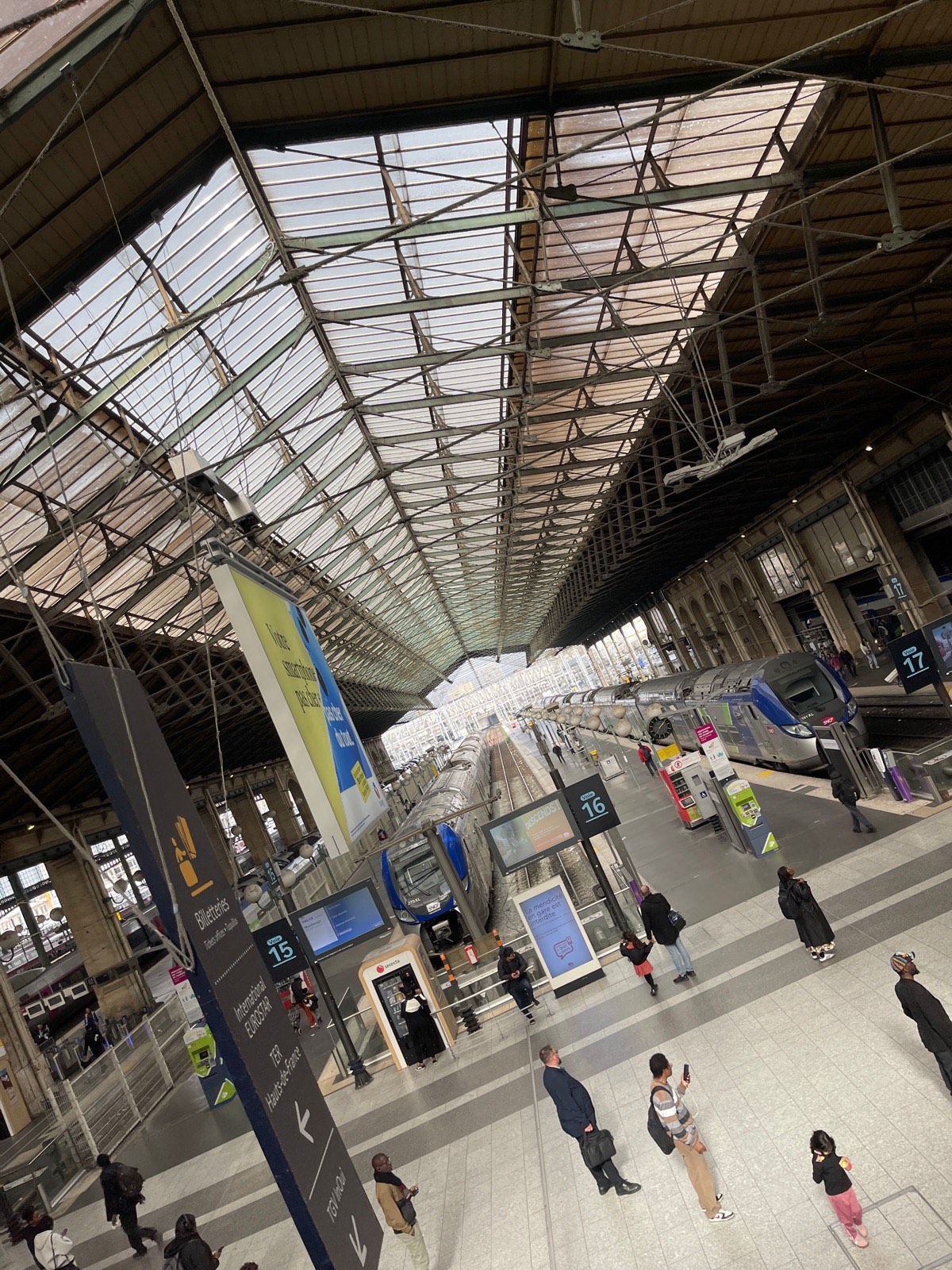
Between arrival, ticket and passport checks and checking in for the Eurostar there is little time. Already here in Paris the English border officers examine passports and visas, then security checks. The train practically empty in first class. Two and a half hours from Paris to London, after a good hour the train rushes at 160 km/h near Calais into the undersea tunnel and the faintly musty smell sets in that will not let go of one for the entire stay on the island.
Despite the great speed of trains today, when travelling over land one has, in contrast to flying, the feeling of having to surmount, of being permitted to surmount, every kilometre, every metre. As on a long walk every step, every metre is honestly earned, there is no evasion, no magic formulae that simply relieve one of the distance as with the flying carpets of which the ancient Persians already dreamed in their tales and which today in their masses criss-cross the airspace like screaming, underfed hornets perpetually on the verge of madness.
Flying has in recent years assumed a dreadful form for me. The vast halls in which one, though one has actually come here to travel, waits endlessly: senselessly winding queues for check-in, for the security check, enormous waiting rooms with thousands of people, sitting, keeping still or buying drugs: spirits, wine, overpriced perfume, sweet things in immoderate duty-free bags. Again queues, half-hours of crushed standing. Then in the aeroplane: crowding, smallness, lack of space, confinement, bad air. The journey: unlived. After landing the same theatre as at departure: again halls, again senselessly long corridors, again waiting, this time for the luggage, and then after half a day or a whole day of torments one finally comes out into the fresh air and finds oneself in a no-man's-land far beyond any civilisation.
The whole business of flying takes place at non-places, at sites that in a human reality ought really to have no place. I am sick to the back teeth of these overwound sham worlds. Today I relish every journey that goes on foot, by bicycle, on rails, on ferries and if need be in some overland coach or other. Journeys on which the landscape slowly transforms, on which one may cross the borders and listen to people in languages that are shifting and changing. Journeys on which the light shifts.
Eleven hours from Lugano to London, pure magic at last to arrive and simply step out in the middle of the city.
Perhaps this journey is so soothing precisely through its length, like a long massage that is strenuous and sometimes painful but releases one deeply relaxed.
Eleven hours of stillness. Of bestowed, unexpected stillness.
In London there stands then, it is scarcely to be believed, my friend Adel in the waiting crowd of those who have come to collect. Adel is a doctor in London, my friend remaining from schooldays. I had sent him a greeting from Paris, he swung himself onto the train from Surbiton, now on the way through London to Liverpool Street Station we take in one or two pubs. The first is packed to bursting, rugby is running on large screens, the mood is sombre. We have drunk our pint rather quickly, so as to be outside again before the final whistle (Italy went on to beat England 23:18 – Italy's first historic victory against England).
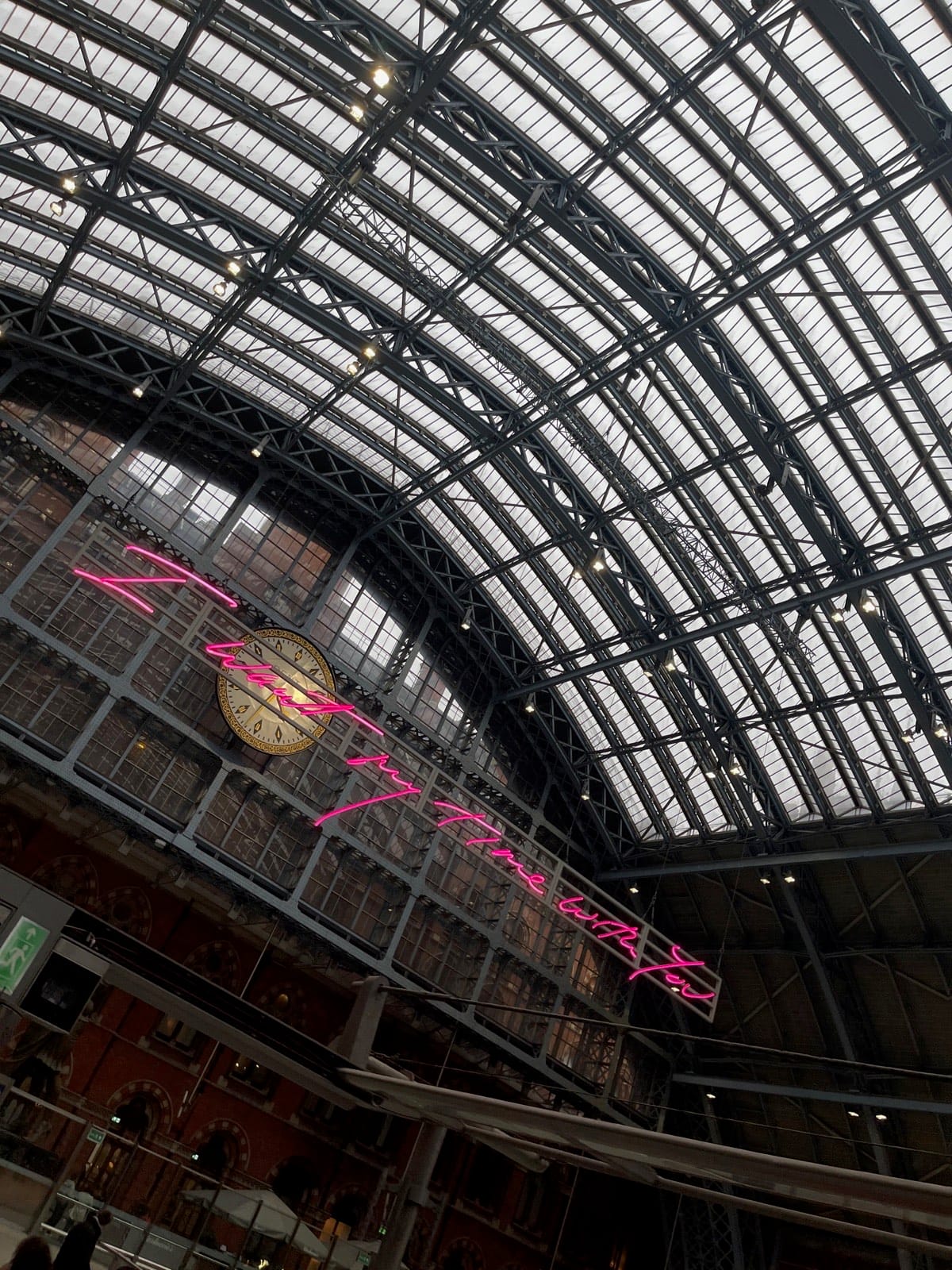
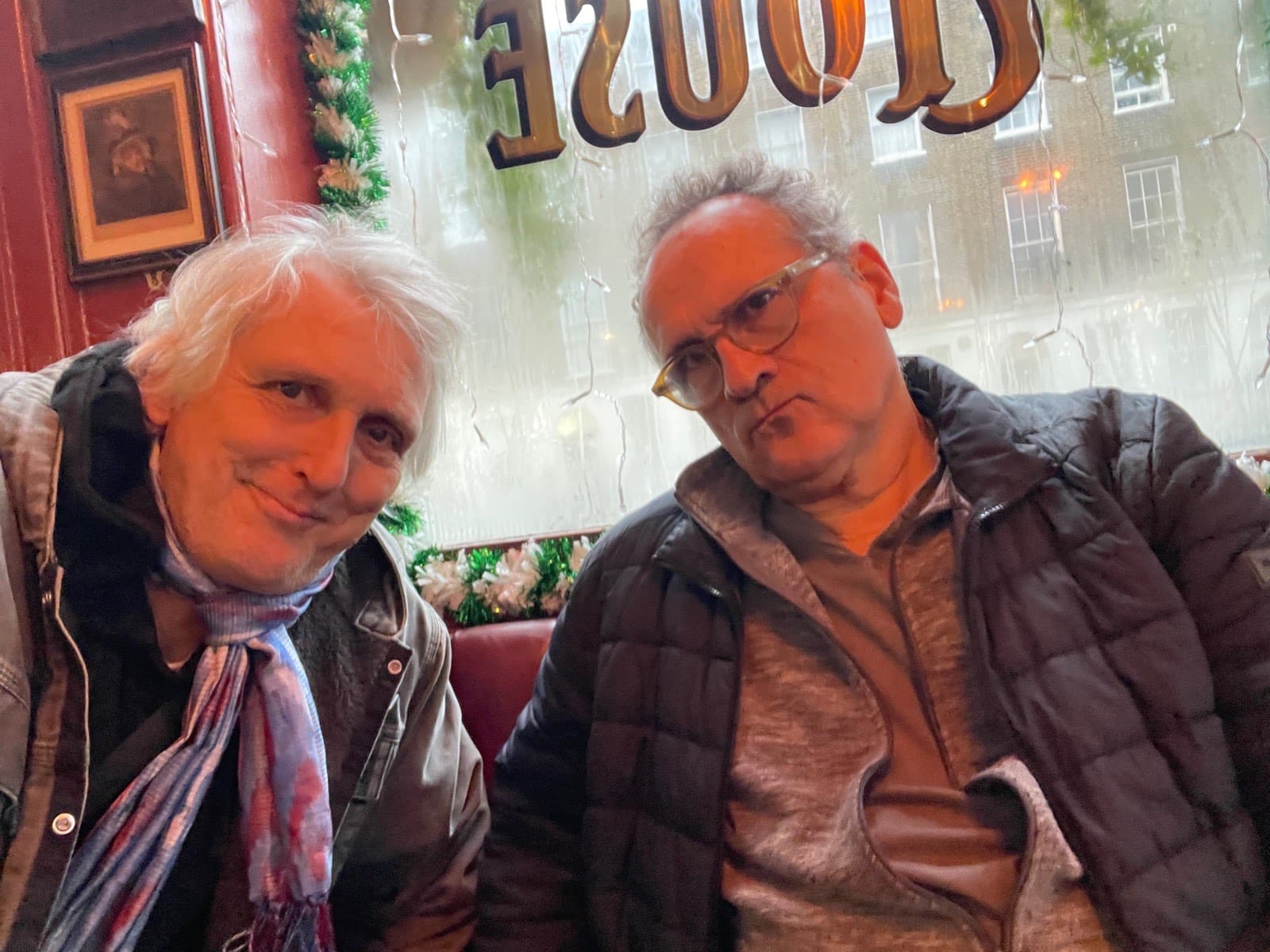
The reunion, the conversations, the thoughts. There are things, subjects, that I share with Adel and with no one else. Perhaps we move through life thus: with each person we exist only in certain circles of subjects, about other things we never speak with them. The intersection of these subjects is then what we perceive as the organic, as continuity, or as the weave of our life. In reality these relationships, these circles of subjects are most probably entirely isolated territories.
Fish and chips in the Blackfriars Pub, outstanding. A sorrowful, paralytically drunk Czech sits down at our table, slurs about the end of the world and is right with his babbling, but then his world bounces off ours and he tries somehow to get down alive the steep staircase to the completely flooded toilet.
Liverpool Street Station. A great embrace. I believe that for friends it is not important to see one another often. It is important to know that the other is there.
We said we would see each other again in the summer. At eight o'clock the train departs for Ipswich, a drunken oaf overlooks a step in the aisle and falls with the full weight of his stupidity from behind on top of me, something cracks a little in the neck, nothing lasting. Was it Nicolas Bouvier who said that a journey must break you on the wheel, otherwise it is no journey?
At nine I am sitting in the taxi and at last, fourteen hours after my departure from Lugano, at her secret place my godmother takes me into her arms and draws me into her enchanting house between two rivers and the sea.
This article was originally written in German. Claude Opus 4.6 kindly assisted with the translation.